BC Large-Vehicle Blind Spots: How Learners Should Share the Road
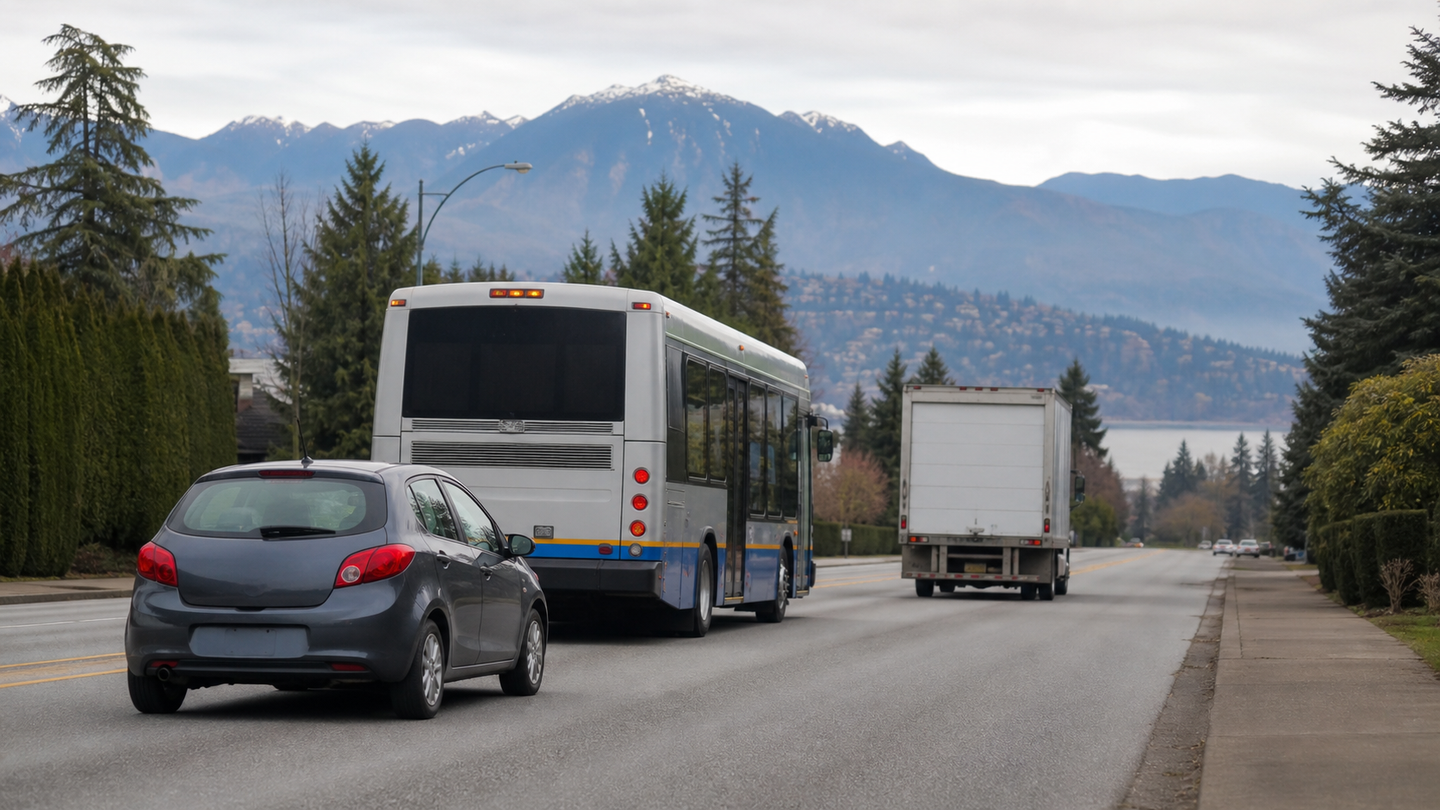
Large vehicles need more room to turn, stop, and see nearby traffic. BC learners should keep generous space and avoid sitting beside them longer than needed.
Read guideSource-aware BC driving guides, rental driving tips, ICBC knowledge-test guidance, and multilingual learner explanations from BCDLT.
Large vehicles need more room to turn, stop, and see nearby traffic. BC learners should keep generous space and avoid sitting beside them longer than needed.
Read guide
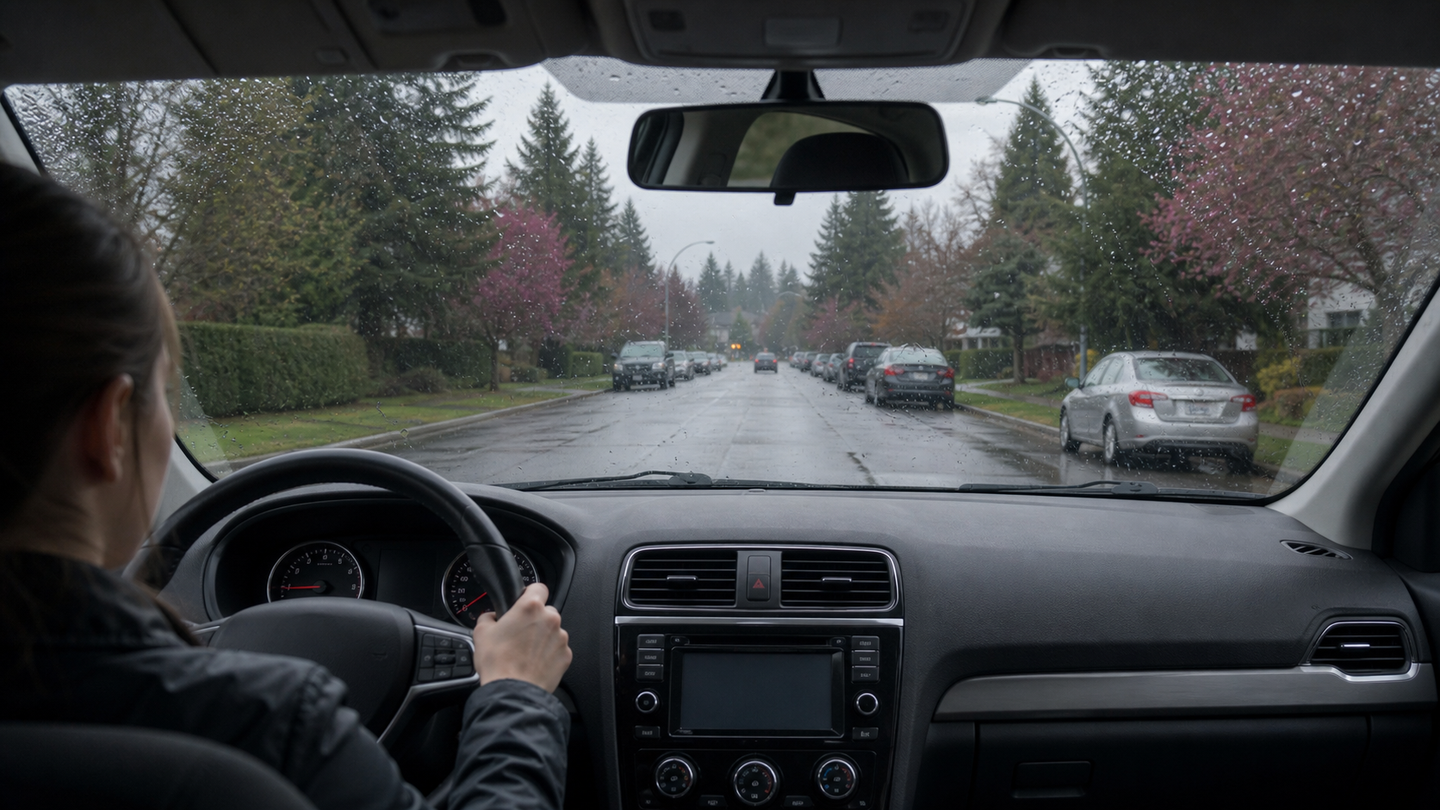
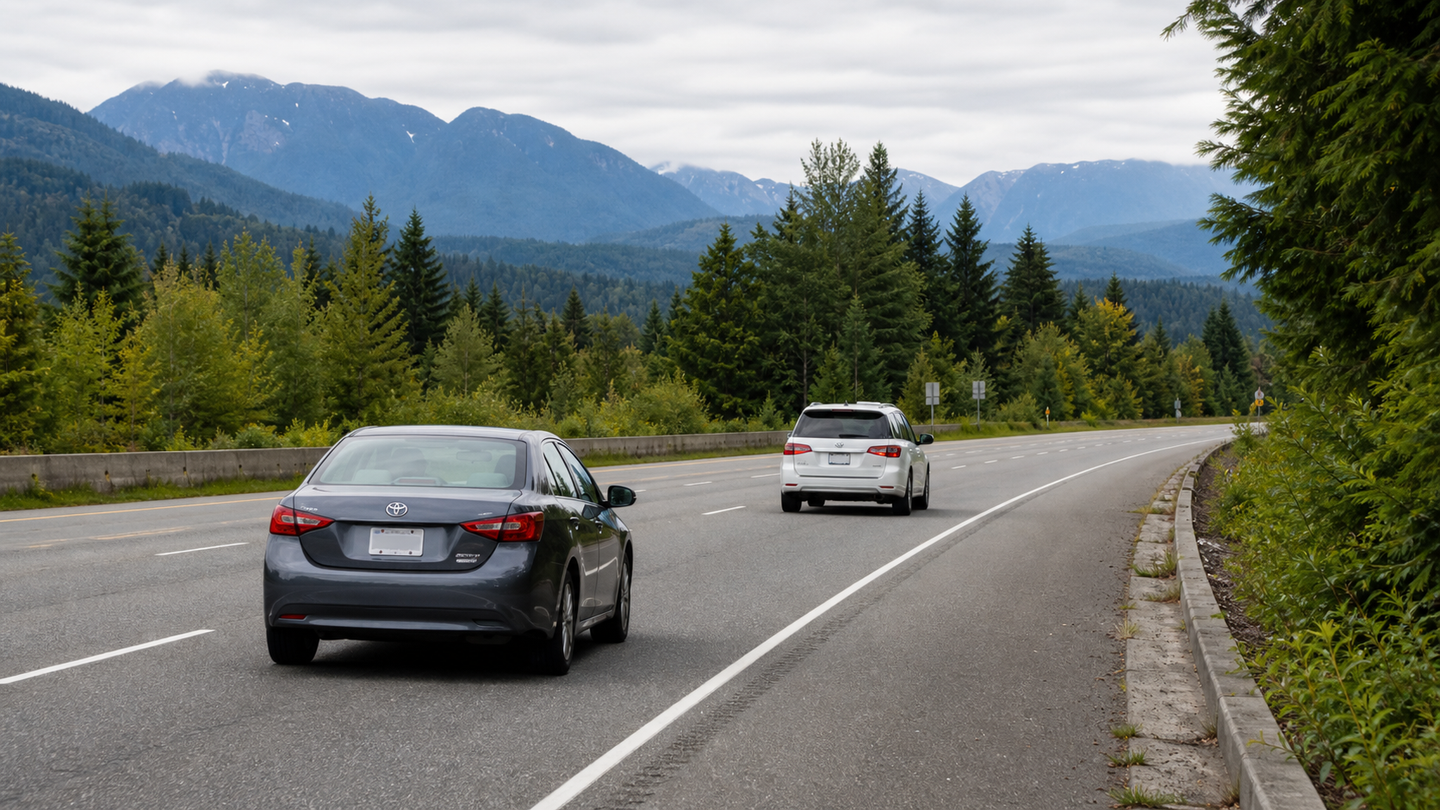
For BC learners, following distance is not just a number. Count at least two seconds in good conditions, then add more space when visibility, road surface, traffic, or vehicle size makes stopping harder.
Read guide
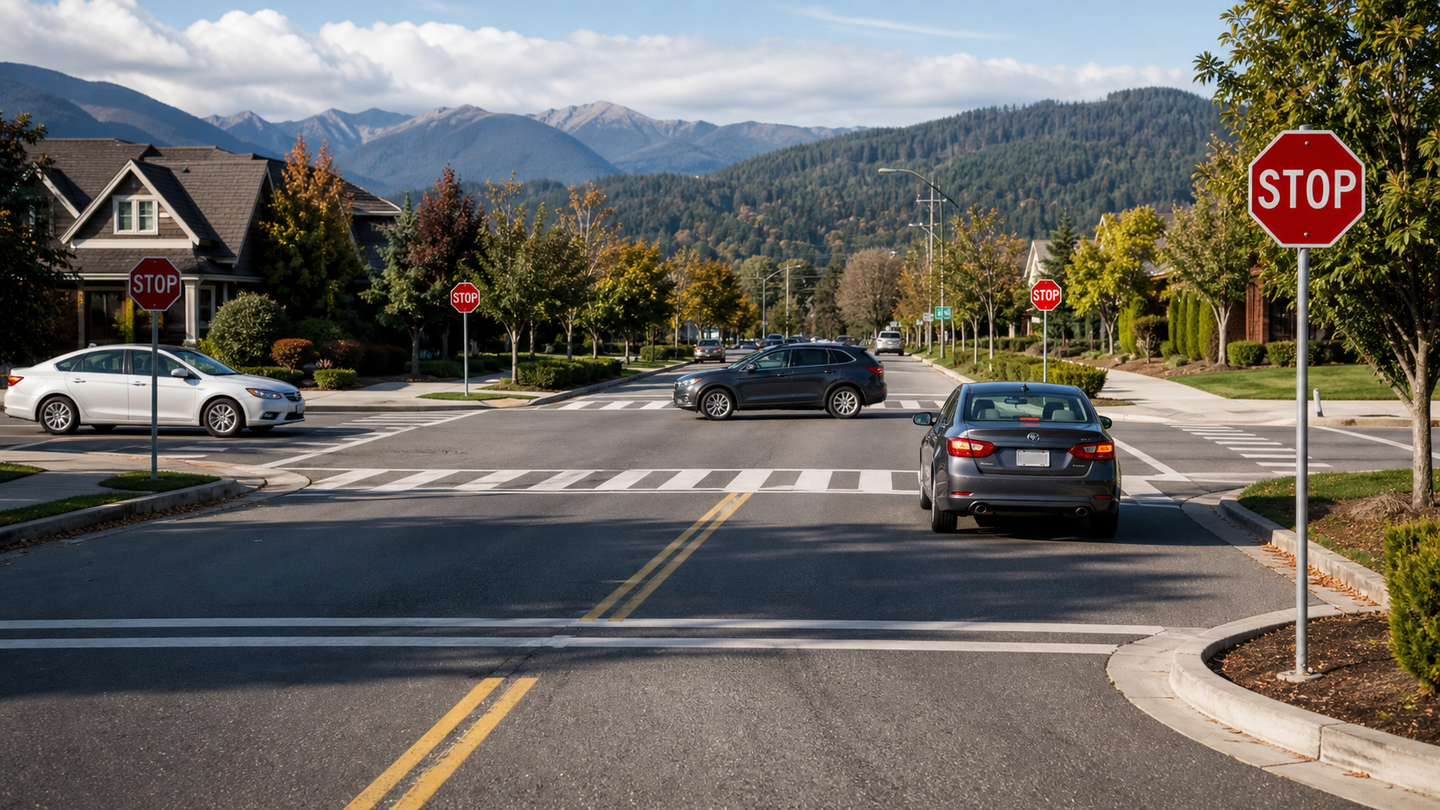
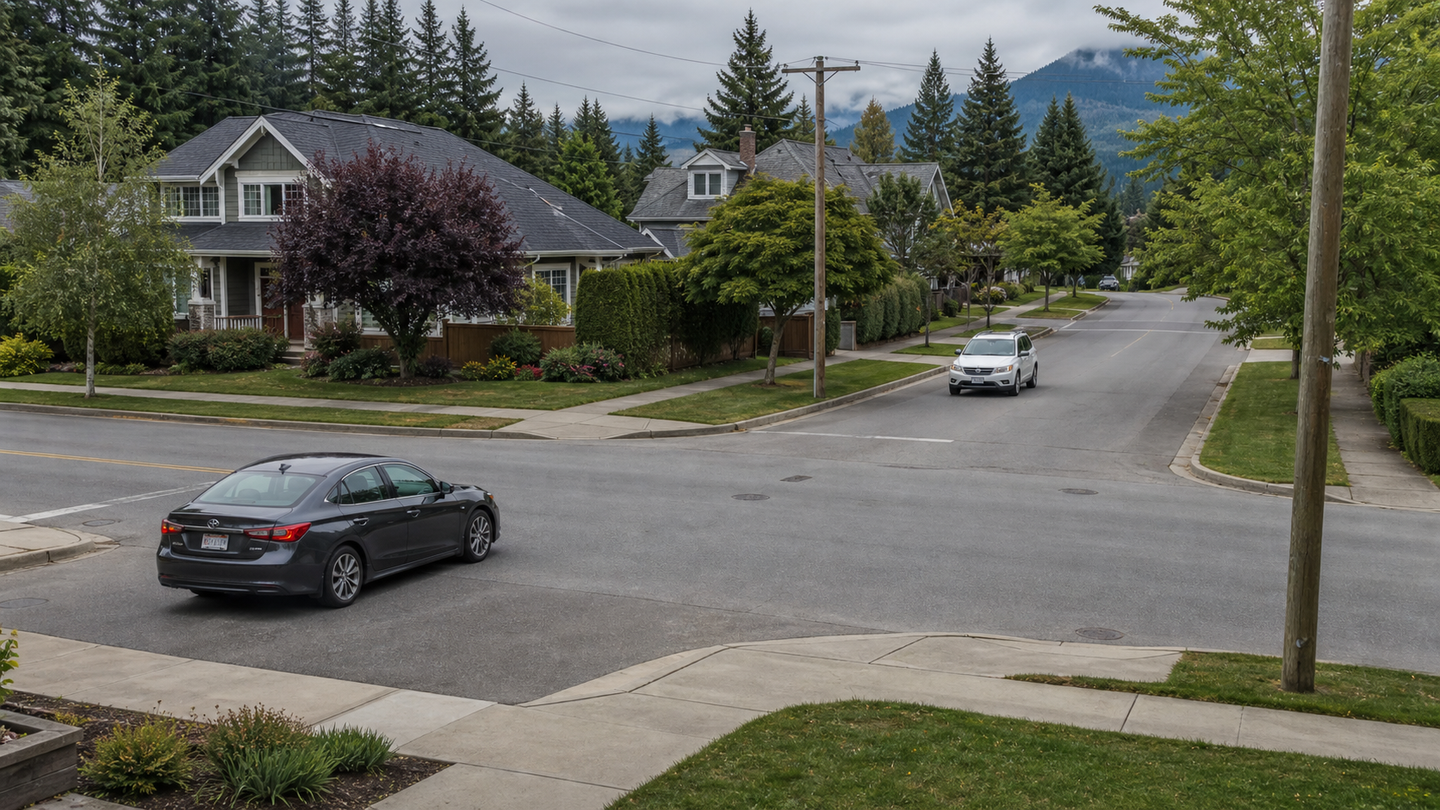
At an uncontrolled BC intersection, slow down, look for cross traffic and pedestrians, yield to anyone already there, and if two vehicles arrive together, the driver on the left yields to the driver on the right.
Read guide
Good BC driving is not only reacting. Use See-Think-Do to scan ahead, read developing risks, and choose a calm action before the hazard reaches you.
Read guide
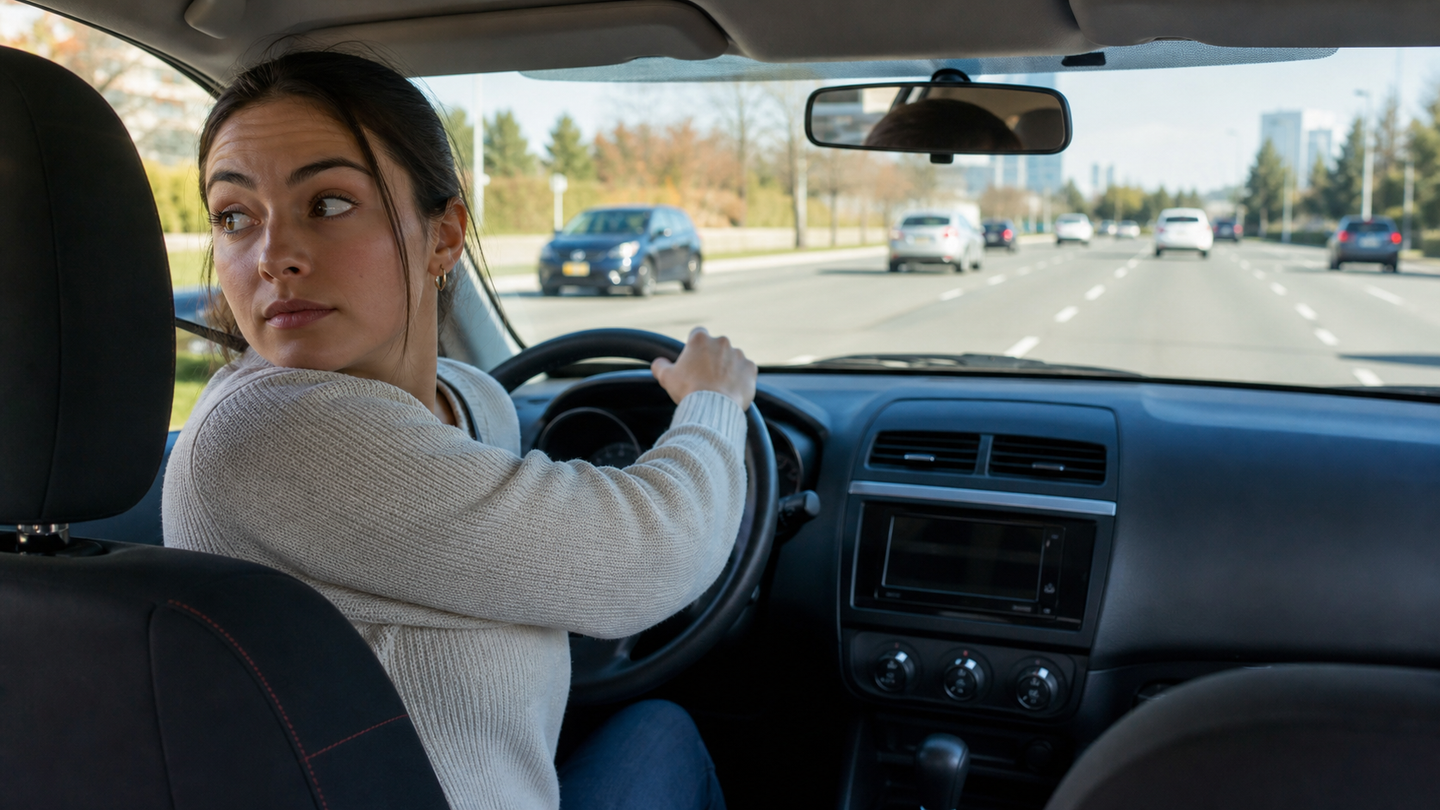
Mirrors are not enough. In BC, shoulder check the blind spot on the side you plan to move toward before you change direction or road position.
Read guide
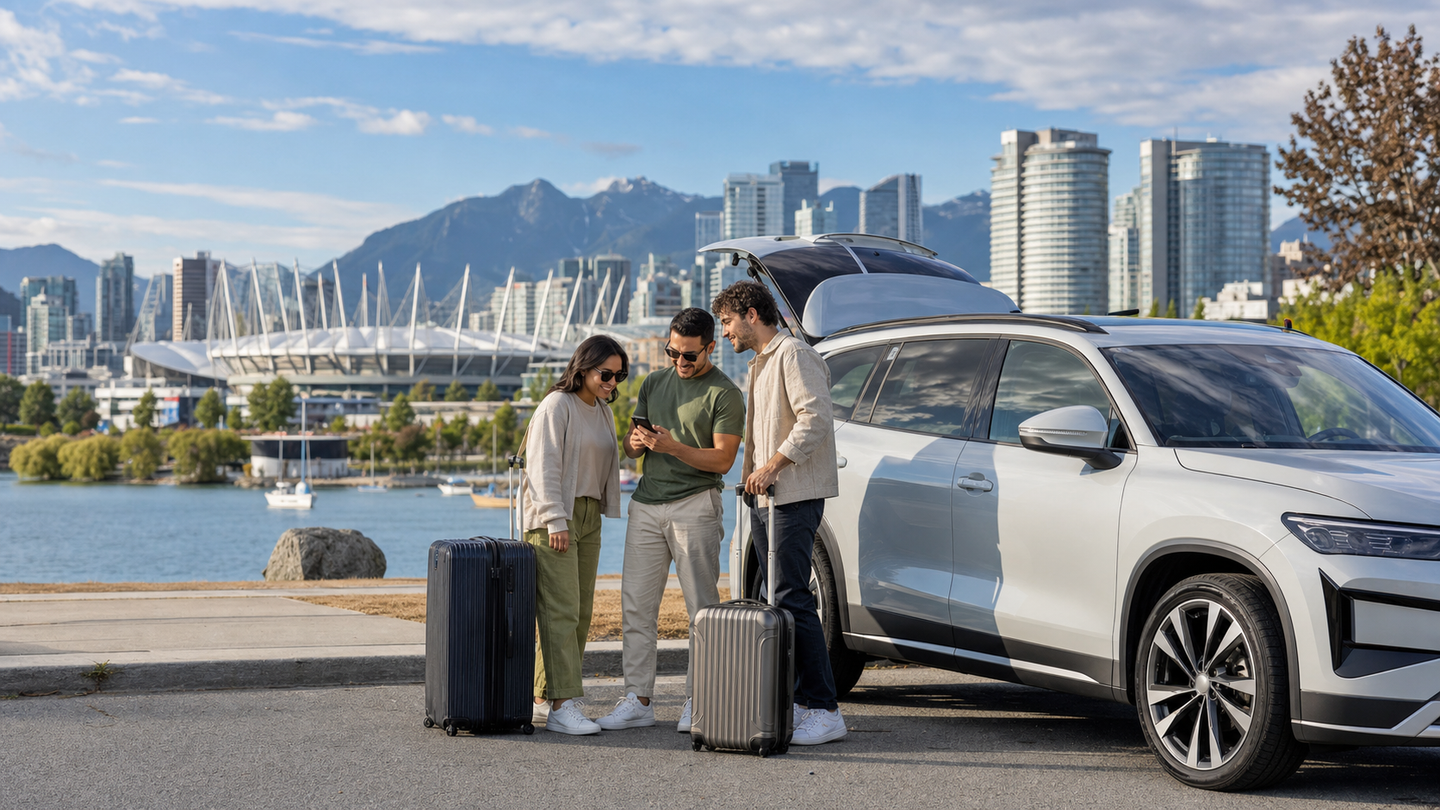
Coming to Vancouver for FIFA World Cup 2026 and thinking about a rental car? Check your licence, insurance, parking plan, phone habits, and BC road rules before you drive.
Read guide
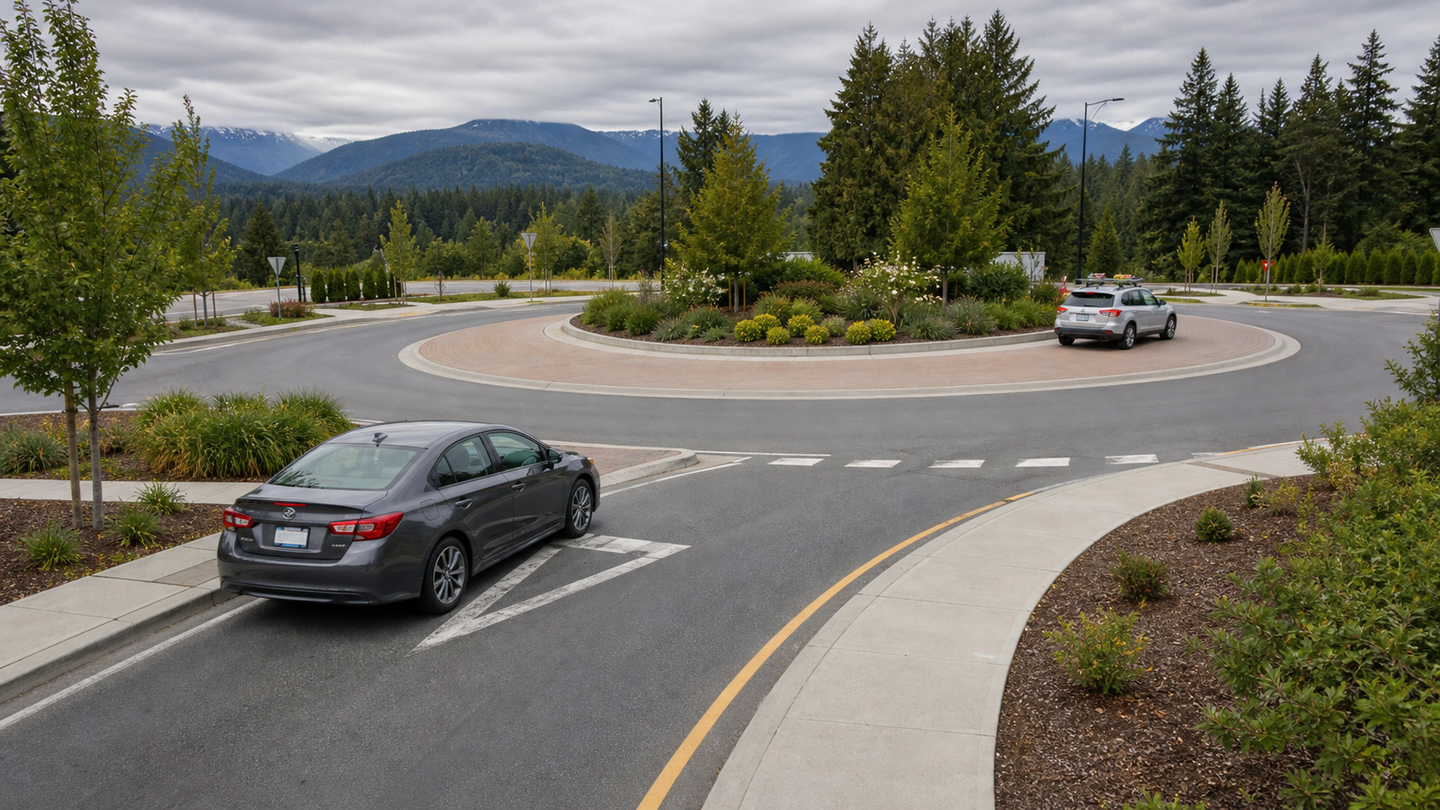
In a BC roundabout, slow before entry, yield to traffic already circulating, keep moving when safe, and signal right before you exit.
Read guide
At a BC four-way stop, stop fully, let the first vehicle that arrived go first, and yield to the driver on your right when vehicles arrive at the same time.
Read guideTurn the guide into questions, reviews, and mock-test repetition where it applies.